The Importance of User Stories in Dynamics 365 Projects

Updated: Mar 11
Why User Stories Fail to Deliver Value in Dynamics 365 Projects
In one recent Dynamics 365 project, I encountered a familiar problem. A consultant completed a user story, but upon review, I realized that while the task was marked “done,” the solution was not something the users would enjoy or find useful.
A Common Problem
So, what went wrong? The story was treated merely as a task to complete. It did not serve as a way to understand and solve a user’s problem. This issue is not isolated. Many business application teams face similar challenges. In Agile environments, teams often prioritize completing as many stories as possible. Unfortunately, this focus can lead to prioritizing speed over actual value.
Common Mistakes with User Stories in Power Platform Projects
Several factors contribute to ineffective user stories:
Focus on Metrics: Teams are incentivized to complete as many user stories as possible. This often sidelines the necessary time for thoughtful design and user-centred solutions.
Disconnected Stakeholders: User stories are frequently crafted by business analysts or delivery teams with little input from actual users or product owners.
Pressure to Deliver Quickly: Deadlines can limit opportunities for collaboration, thoughtful planning, and meaningful retrospectives.
Lack of Empathy: Without taking the time to empathize with end-users, solutions may fail to address their needs—leaving them frustrated and disengaged.
How to Write User-Centred User Stories in Agile Projects
To achieve better outcomes, teams should view user stories as more than mere task descriptions. Instead, they should be treated as tools that articulate value, foster collaboration, and guide user-centred development.
Emphasizing Agile Principles
First, teams should regularly reflect on the principles of the Agile Manifesto, particularly:
Our highest priority is to satisfy the customer through early and continuous delivery of valuable software.
Additionally, at regular intervals, the team reflects on how to become more effective, tuning and adjusting their behavior as necessary.
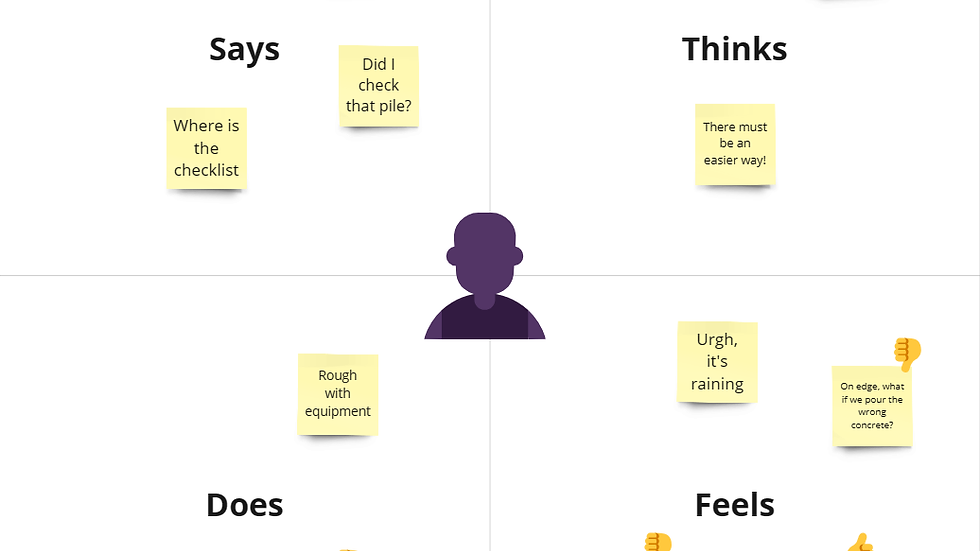
A Design Thinking approach to Power Platform solutions can help empathize with users and craft truly user-focused user stories. Here are 10 simple ways to apply design thinking to your business application projects.
Practical Steps for User-Centred User Stories
Here are some actionable steps to help achieve user-centred user stories:
1. Focus on User Needs
Each user story should include a meaningful "so that" clause. For instance, in a Dynamics 365 project, an effective user story might be:
As a sales representative, I need an easy way to update customer data so that I can spend more time with clients.
This formulation clarifies the value of the story, enabling the team to understand its purpose.
2. Create User Personas
Detailed personas enable teams to empathize with users, prioritize features, and make better design decisions. They’re also beneficial for areas such as security, ensuring solutions meet both user and technical needs.
3. Involve Users Early
Whenever possible, engage users in writing, refining, and reviewing user stories. If direct involvement isn’t feasible, product owners should represent users' voices, ensuring a deep understanding of their needs.
4. Encourage Collaboration and Feedback
User stories should initiate discussions. Utilize sprint reviews, demos, and refinement sessions to collect feedback from cross-functional teams and stakeholders.
5. Reflect During Retrospectives
Sprint retrospectives offer an opportunity to ask essential questions:
Did the solution meet user needs?
What feedback did we receive from users?
How can we improve in the next sprint?
How Consultants Can Overcome User Story Challenges in Power Platform Projects
Consultants often face real-world constraints, such as tight deadlines and limited access to users. However, small changes can lead to significant improvements. For example:
During refinement, encourage developers to suggest user experience enhancements.
Update the "definition of done" to include checks for usability and logical workflows.
Use sprint reviews to solicit feedback and enable continuous improvement.
Conclusion: User Stories Form Impactful Power Platform Solutions
User stories are not just a way to track work; they are a method for creating better solutions for users. By focusing on empathy, collaboration, and thoughtful reflection, teams can deliver work that truly makes an impact.
What strategies is your team implementing to maintain a user-focused approach to stories? Share your thoughts in the comments.
Comments